
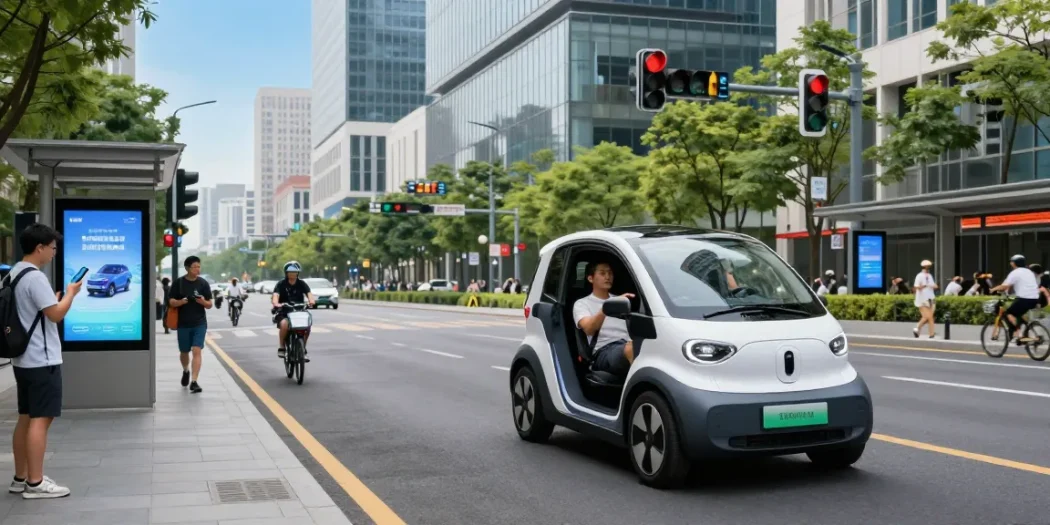
Understanding Autonomous Driving Technologies
Autonomous driving, often hailed as the future of transportation, represents a radical shift in how we think about mobility. With advancements in artificial intelligence, machine learning, and sensor technology, vehicles are increasingly capable of operating without direct human intervention. This groundbreaking transformation aims to enhance road safety, reduce traffic congestion, and improve overall mobility. When exploring options, autonomous driving offers comprehensive insights into this evolving landscape.
What is Autonomous Driving?
Autonomous driving refers to a vehicle’s ability to navigate and control itself without human intervention. These vehicles utilize a combination of sensors, cameras, and AI algorithms to perceive their environment and make informed driving decisions. Autonomous cars can range from those with advanced driver-assistance systems (ADAS) to fully self-driving vehicles capable of operating in complex traffic scenarios.
Key Components of Autonomous Vehicles
Autonomous vehicles are equipped with multiple key components that enable their self-driving capabilities:
- Sensors: These include LiDAR, radar, and cameras that gather real-time data about the vehicle’s surroundings.
- Control Systems: Algorithms that process sensor data and make driving decisions, determining how to accelerate, brake, and steer.
- Connectivity: Vehicle-to-everything (V2X) communication technology that allows vehicles to interact with each other and infrastructure.
- Machine Learning: AI systems that learn from data to improve the vehicle’s performance over time.
Levels of Automation Explained
The Society of Automotive Engineers (SAE) has defined six levels of automation, ranging from Level 0 (no automation) to Level 5 (full automation), which encompass the following:
- Level 0: No automation, where the human driver performs all driving tasks.
- Level 1: Driver assistance, where the vehicle can assist with steering or acceleration but not both simultaneously.
- Level 2: Partial automation, allowing the vehicle to control both steering and acceleration but requiring human supervision.
- Level 3: Conditional automation, enabling the vehicle to manage all driving tasks under certain conditions while allowing the driver to intervene if necessary.
- Level 4: High automation, where the vehicle can operate independently in specific environments without human intervention.
- Level 5: Full automation, where the vehicle can operate in all conditions without any human input.
The Impact of Autonomous Driving on Society
Safety Enhancements and Risk Reduction
The primary motivation behind developing autonomous vehicles is to enhance road safety. Statistics reveal that human error is responsible for approximately 94% of traffic accidents. By removing the possibility of human error, autonomous driving has the potential to significantly reduce the number of collisions, injuries, and fatalities on roadways. Programming vehicles to adhere to traffic laws, react to hazards swiftly, and engage in safe driving behaviors can create a safer driving environment.
Environmental Benefits of Autonomous Vehicles
In addition to safety improvements, autonomous driving offers considerable environmental advantages. Self-driving vehicles can optimize driving patterns, thereby reducing fuel consumption and emissions. For instance, by maintaining steady speeds and minimizing abrupt stops and starts, these vehicles can enhance overall fuel efficiency and lessen the carbon footprint. Furthermore, when integrated with electric vehicle technology, autonomous cars can contribute to cleaner urban air quality.
Social Changes Due to Driverless Technology
The introduction of autonomous vehicles is expected to transform societal structures and urban environments. With the convenience of self-driving cars, individuals may rely less on personal vehicles, reducing the need for parking spaces and altering public transport systems. This paradigm shift could lead to more pedestrian-friendly cities, where people-centric infrastructure takes precedence over car-centric designs.
Challenges and Obstacles Facing Autonomous Driving
Technological Limitations and Reliability Issues
While the potential benefits of autonomous driving are enormous, several technological hurdles remain to be addressed. Current systems may struggle with complex urban environments or inclement weather conditions such as heavy rain or snow, which can obscure sensor readings. Ensuring that autonomous vehicles can reliably handle a wide range of scenarios is crucial for gaining public trust and regulatory approval.
Regulatory Hurdles and Legal Frameworks
The development of regulations surrounding autonomous driving poses another significant challenge. Governments worldwide must create comprehensive legal frameworks that address liability issues, insurance models, and vehicle safety standards. The lack of consistent regulations can hinder innovation and slow down the adoption of driverless technology, as manufacturers navigate varied legal landscapes across different regions.
Public Perception and Acceptance of Self-Driving Cars
Public acceptance remains a significant challenge for the widespread adoption of autonomous driving technology. Concerns regarding safety, privacy, and the loss of personal control over vehicles can hinder consumer enthusiasm. Educating the public about the technology’s benefits and showcasing successful pilot programs can help alleviate these fears and promote wider acceptance.
Best Practices for Implementing Autonomous Driving Solutions
Integration with Existing Transportation Systems
Successfully integrating autonomous driving solutions into current transportation infrastructures requires careful planning. Cities must consider how these vehicles will interact with existing public transit, biking, and walking options. Seamless integration will enhance mobility for all citizens, ensuring that the benefits of autonomous technology are shared equitably across demographics.
Collaboration Between Tech Companies and Governments
Collaboration between technology companies, automotive manufacturers, and government agencies is essential for developing regulatory frameworks and safety standards. Building partnerships can facilitate knowledge sharing and drive innovation in autonomous driving technology, ensuring safer and more efficient systems.
Developing Robust Safety Protocols
Establishing comprehensive safety protocols is critical to the successful implementation of autonomous vehicles. This includes rigorous testing and validation processes, transparent reporting of incidents, and proactive measures to address potential vulnerabilities. Regular updates and improvements will help ensure that autonomous driving systems remain secure and reliable.
The Future of Autonomous Driving: Trends to Watch for by 2026
Emerging Technologies Influencing Automation
By 2026, several emerging technologies will likely impact the evolution of autonomous driving. Innovations in AI, sensor technology, and 5G connectivity will enhance the capabilities of self-driving vehicles. Advanced machine learning algorithms will enable vehicles to make more informed decisions based on their surroundings, while better connectivity will enhance communication between vehicles and infrastructure.
Future Market Predictions for Autonomous Vehicles
Market analysts predict that the autonomous vehicle industry will experience significant growth over the next five years. By 2026, it is anticipated that millions of self-driving cars will be on the road, driven by both consumer demand and advancements in technology. With expected investments from tech giants and automakers, the market for autonomous vehicles is poised to grow exponentially.
How Autonomous Driving Will Change Urban Planning
As the adoption of autonomous driving technology becomes more widespread, urban planning will need to adapt to accommodate this new mode of transportation. Cities may reduce the number of parking spaces, repurpose roadways for dedicated autonomous vehicle lanes, and enhance public transportation systems to work seamlessly with self-driving cars. This shift could lead to more sustainable and livable urban environments.
What are the benefits of autonomous driving technology?
Autonomous driving technology offers numerous benefits, including enhanced safety, reduced traffic congestion, improved fuel efficiency, and increased accessibility for individuals who are unable to drive.
How does autonomous driving impact traffic safety?
By eliminating human error, which is responsible for a majority of traffic accidents, autonomous driving has the potential to significantly improve traffic safety and reduce crash-related fatalities.
What challenges do autonomous vehicles face today?
Current challenges include technological limitations, regulatory hurdles, public acceptance, and the need for robust safety protocols.
What innovations are expected in autonomous driving by 2026?
Predicted innovations include advancements in AI algorithms, improved sensor technology, greater connectivity with infrastructure, and more comprehensive regulatory frameworks.
How can governments support the rise of autonomous vehicles?
Governments can support the rise of autonomous vehicles by developing clear regulatory frameworks, investing in infrastructure, and fostering collaboration between tech companies and public agencies.